
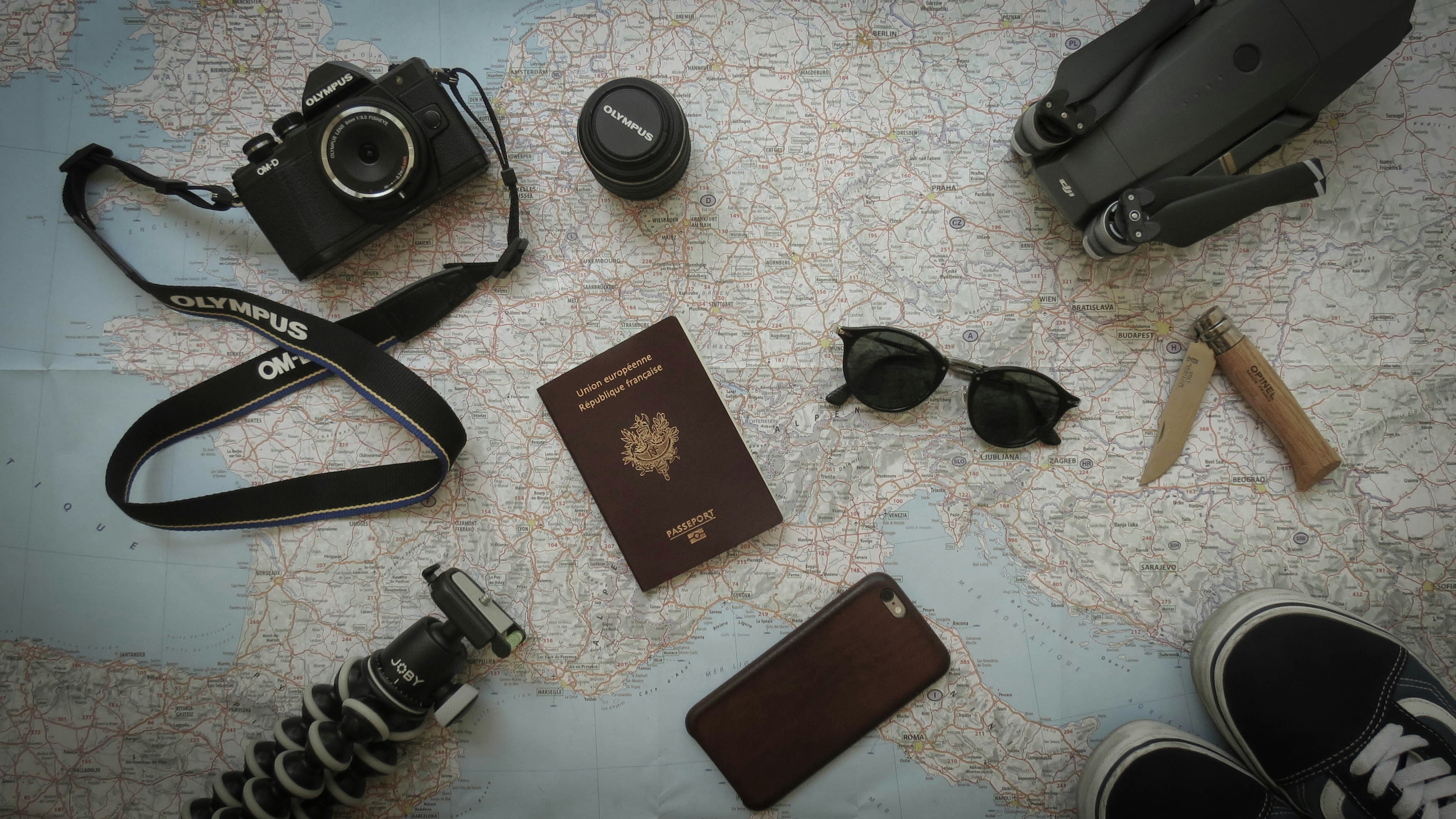
Understanding the Benefits of Solo Travel
Traveling solo offers a unique set of advantages that appeals to many individuals, particularly those seeking independence and self-discovery. One of the most significant benefits of solo travel is the increased freedom and flexibility it provides. When traveling alone, one can create their own itinerary, make spontaneous decisions, and explore destinations at their own pace, all without compromising on preferences. This ability to forge your own path is liberating and can lead to a more fulfilling travel experience.
Additionally, traveling by oneself can be a profound catalyst for personal growth. Solo travelers often find themselves in new and challenging situations that push them out of their comfort zones. This exposure fosters resilience and adaptability, essential traits that are beneficial not just while traveling but in everyday life as well. Whether navigating through unfamiliar streets or trying to communicate in a foreign language, solo travel encourages individuals to develop problem-solving skills and grow self-reliant.
Moreover, solo travel presents countless opportunities to meet new people. When not surrounded by familiar companions, travelers may feel more inclined to engage with locals and fellow travelers alike. Building these connections can lead to meaningful interactions, cultural exchanges, and even lasting friendships. Each encounter adds depth to the journey, allowing for a richer understanding of different cultures and perspectives.
To sum up, exploring the world alone can significantly enhance self-discovery, facilitate personal growth, and allow for unparalleled freedom. By choosing to embark on a solo travel adventure, individuals unlock a range of experiences that can shape them into more rounded and confident explorers. Thus, it comes as no surprise that solo travel has become an increasingly popular option for adventurous spirits around the globe.
Planning Your Solo Trip
Planning a solo trip requires careful consideration of various factors to ensure a successful and enjoyable experience. The first step is to choose the right destination. When selecting a location, assess your personal interests, safety levels, and budget constraints. Popular destinations for first-time solo travelers often include friendly cities with good public transportation, vibrant culture, and opportunities to meet new people, such as New York City, San Francisco, and New Orleans. Understanding the local customs and language can enhance your travel experience, making the destination more accessible and engaging.
Once a destination has been identified, it is essential to research accommodations that suit your needs. Consider staying in hostels, guesthouses, or even private rentals, as these can foster interactions with fellow travelers. Websites that focus on budget travel can provide valuable insights into cost-effective living arrangements. Ensure that the accommodation is in a safe neighborhood and has positive reviews regarding safety and cleanliness.
Transportation is another critical aspect of solo travel planning. Look into local transit options and how to get from the airport to your accommodation. Familiarize yourself with public transportation systems and consider downloading relevant apps to navigate smoothly. In addition, be sure to budget for transportation costs, including public transit, rideshares, or rental cars if needed.
Equally important are the essential travel documents. Make sure to have your passport up-to-date, and check any visa requirements for your destination. In addition, create copies of important documents and keep them separate from the originals to protect against loss or theft. It is also vital to stay informed about any travel restrictions to avoid complications during your trip.
Staying Safe While Traveling Alone
Safety is paramount for individuals embarking on solo travel adventures. To ensure a secure experience, travelers should remain vigilant of their surroundings at all times. Developing a heightened sense of awareness can help identify potential threats and avoid dangerous situations. Observing local behavior and recognizing areas that may be less safe can provide clarity and confidence during exploration.
Choosing the right accommodations is another critical safety measure. Opt for well-reviewed hotels, hostels, or vacation rentals that prioritize guest security. Ensure the selected lodging is located in a reputable neighborhood, preferably with a visible front desk and secure entry points. During your stay, utilize in-room safes or secure luggage storage options to protect personal belongings from theft.
Handling emergencies is also an essential part of traveling alone. Familiarize yourself with the local emergency numbers and have a plan in place should you require assistance. This may include knowing the nearest hospital, police station, or embassy. Always have a written copy of important documents, such as your passport and insurance information, both on your device and in print, as this will facilitate quick access in case of loss or theft.
Moreover, sharing your travel itinerary with someone back home enhances your safety during solo trips. This practice ensures that someone is aware of your location and plans should any issues arise. You might also consider regular check-ins, whether through calls or messages, to maintain this connection. By incorporating these safety tips into your journey, you can enjoy a fulfilling experience that allows for exploration and personal growth while minimizing risks, ultimately leading to a safer and more rewarding adventure.
Making the Most of Your Solo Adventure
Embarking on a solo travel journey can be an enriching experience filled with opportunities for personal growth and discovery. To truly embrace the essence of your adventure, it is essential to immerse yourself in the local culture. Begin by exploring local markets, trying street food, and attending community events. These experiences provide a glimpse into the daily life of the destination and allow you to savor its unique flavor. Participating in classes, such as cooking or dance, can also be a fun way to engage with the culture while honing new skills.
Connecting with fellow travelers or locals can significantly enhance your solo experience. There are numerous ways to do this, such as joining guided tours or participating in group activities. Many travelers find camaraderie on various online platforms that cater to those journeying alone, or through social media groups tailored for travelers. Engaging in conversations with people you meet can not only offer insights into your surroundings but also foster lasting friendships that may extend beyond the trip.
In addition, consider solo-friendly activities that cater specifically to those traveling alone. Visit museums, galleries, and historical sites where you can take your time exploring without the pressure of keeping pace with a group. Outdoor adventures, such as hiking or biking, are also fantastic options as they allow for personal reflection amid breathtaking landscapes. Lastly, take advantage of technology by utilizing apps designed to enhance your travel experience, such as those that connect travelers or provide recommendations for activities.
Ultimately, the complete guide to budget travel in the US encourages you to embrace your solo journey with an open mind and heart. By immersing yourself in the local culture and engaging with fellow adventurers, you can create a fulfilling and memorable experience, ensuring that your solo travels become a source of joy and inspiration.
Leave a Reply