
Understanding the Importance of Home Workouts
The landscape of fitness has evolved notably in recent years, with an increasing number of individuals opting for home workouts. This shift is particularly significant for beginners, who may find the notion of exercising in the comfort of their own home less intimidating. One of the major benefits of working out at home is the convenience it offers. Busy schedules can often be a barrier to regular exercise, but by integrating workout routines into one’s home life, it’s much easier to allocate time for physical activity.
Additionally, home workouts tend to be cost-effective. Many beginners may feel hesitant to spend money on gym memberships or fitness classes, especially if they are still determining their commitment to fitness. A workout at home can eliminate these financial concerns by utilizing minimal, often inexpensive, equipment or even bodyweight exercises. The capability to engage in a beginner workout using resources readily available at home allows for a more sustainable approach to fitness.
Another critical aspect of home workouts is the comfortable environment in which they take place. Individuals working out in their homes can exercise without the pressure of being judged by others, which is often a concern for those who are new to fitness. This inherent privacy can facilitate more focused and fulfilling workouts, encouraging consistency. Furthermore, statistics indicate a significant rise in the popularity of home workouts, particularly during recent global events that necessitated social distancing. Many platforms have reported an increase in online fitness classes and tutorials tailored for at-home routines, making it easier for beginners to access effective workout plans. As a result, the trend of exercising at home continues to gain traction, showcasing its practicality and appeal for individuals embarking on their fitness journeys.
Essential Equipment for Home Workouts
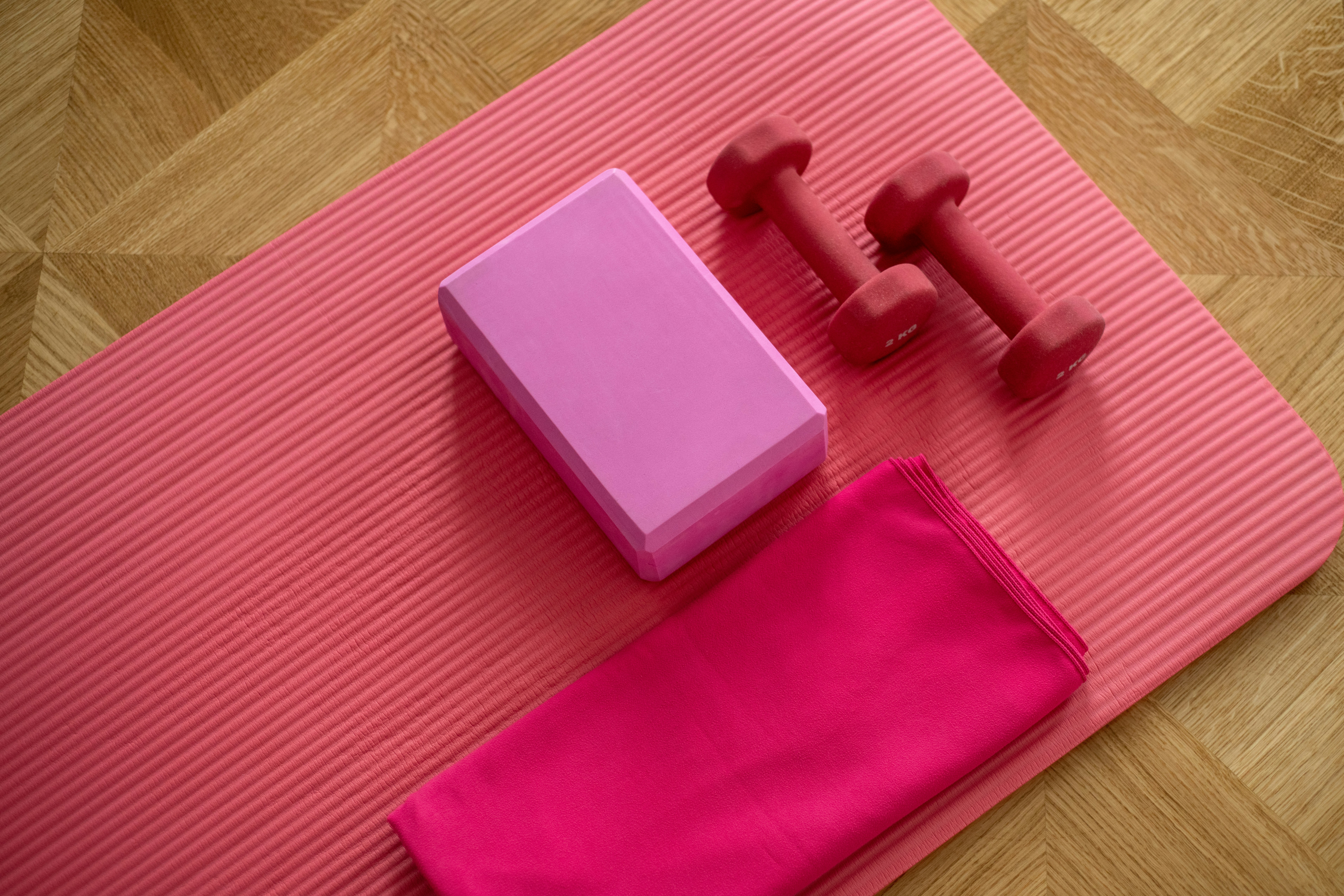
Creating an effective beginner workout at home does not necessitate an extensive array of equipment; however, having certain essentials can significantly enhance your experience and results. For individuals just starting their fitness journey, fundamental tools such as resistance bands, dumbbells, and exercise mats can play a vital role in establishing a reliable workout routine.
Resistance bands are particularly advantageous for beginners, as they offer varying levels of resistance, allowing for a tailored workout that can progress as strength improves. Not only are they affordable, costing around $10 to $30, but they also provide a versatile option for increasing intensity without the need for bulky weights.
Dumbbells are another staple in a home workout arsenal. Available in different weights, they facilitate a multitude of exercises, enabling users to target various muscle groups. While a basic set may require an initial investment of $20 to $50, the ability to conduct both strength training and toning exercises can make it a wise expenditure for anyone serious about their fitness.
An exercise mat is crucial for ensuring comfort during floor routines, such as stretching, yoga, or bodyweight exercises. Mats typically range from $15 to $40, providing a stable surface and reducing the risk of injury. For those hesitant to invest in equipment, household items such as filled water bottles can serve as replacements for dumbbells, while towels can substitute for mats, demonstrating that a workout at home can still be effective with minimal investment.
The essential equipment listed not only supports your workout endeavors but also encourages consistency in your beginner workout plan. This relatively minor financial commitment to fundamental exercise tools can yield significant long-term health benefits, reinforcing the notion that investing in proper equipment is a key element in successful home workouts.
Beginner Workout Plan Overview
Creating a structured beginner workout plan that can be effectively executed at home is essential for those embarking on their fitness journey. This overview lays out a strategic weekly schedule that encompasses various types of exercises, designed to promote overall well-being. This workout at home plan combines cardiovascular routines, strength training, and flexibility exercises, ensuring a balanced approach for new fitness enthusiasts.
For a well-rounded beginner workout, it is recommended to dedicate about 30 minutes to an hour for each session, focusing on three to five days a week. This frequency allows ample recovery time, which is critical for muscle repair and growth as beginners may need to adapt to new physical demands. Each week could revolve around three core components:
- Cardio: Engaging in activities such as brisk walking, dancing, or cycling at home for 20-30 minutes helps boost cardiovascular health. Beginners should aim to include cardio sessions at least twice a week.
- Strength Training: Incorporating bodyweight exercises, such as push-ups, squats, and lunges, this segment focuses on building muscle strength. Ideally, strength-focused workouts should occur two to three times weekly, with a day of rest in between.
- Flexibility and Mobility: Stretching routines or yoga practices are fundamental for enhancing flexibility and should be included at the end of each workout. Targeting 10-15 minutes of stretching is advisable and can be integrated after cardio or strength training sessions.
For every exercise, beginners should strive for a pace that maintains comfort while challenging their capabilities. Listening to one’s body is crucial; thus, gradually increasing intensity as fitness levels improve can foster sustained progress. To ensure safety, beginners should always consult relevant guidelines for exercise frequency and duration, ensuring their workout at home remains both effective and secure.
Tips for Staying Motivated and Consistent
Staying motivated while embarking on a workout at home journey can be a challenge, particularly for beginners. One effective way to maintain motivation is to set clear, achievable goals. These goals can range from the number of workouts per week to specific progress objectives, such as improving endurance or losing weight. Setting measurable targets not only gives you something to strive for but also provides a sense of accomplishment as you reach these milestones.
Tracking your progress is another important strategy. Keeping a record of your workouts, including repetitions, duration, and any improvements, can provide insight into your efforts. Many beginners find that using apps or journals helps them visualize their progress, which can be incredibly motivating. Additionally, consider taking before-and-after pictures to highlight changes in your physique over time.
Incorporating variety into your workout at home routine is essential for preventing boredom and staying engaged. This can include alternating between different types of beginner workouts, such as strength training, yoga, or cardio exercises. Trying new exercises can also help in building new skills and engaging different muscle groups. Moreover, you might find it beneficial to know that participating in online workout challenges or classes can create an encouraging community atmosphere around your fitness journey.
Of course, challenges will arise. Many beginners experience days when motivation dips or when they encounter obstacles, such as time constraints or frustration with progress. According to statistics, consistency is key in achieving fitness success; even if workouts are short or less intense, participants who consistently engage in their routines are likely to see results over time. By nurturing a resilient mindset and employing these strategies, you can successfully navigate the ups and downs of working out at home and work towards your fitness goals.
Leave a Reply