
Introduction
Dressing appropriately for a job interview is of paramount importance, as it serves as the candidate’s initial introduction to prospective employers. First impressions are often lasting, and the way an individual chooses to dress for a job interview can significantly influence how they are perceived by hiring managers. A well-considered outfit not only reflects professionalism but also indicates respect for the opportunity presented.
In 2026, the evolution of dress codes within various industries continues to adapt to the changing dynamics of workplace culture. Traditional attire, which once dominated the interview landscape, has gradually evolved, making way for a more nuanced approach to professional attire. This shift acknowledges that while certain industries encourage formal dressing, others embrace a more relaxed style. As a candidate, understanding the cultural context of the desired workplace is crucial to selecting appropriate attire.
Moreover, the growing significance of personal branding in the modern job market cannot be overlooked. Individuals are now more than ever expected to present a cohesive image that embodies their professional values and individuality. When candidates dress for interview, they should aim to reflect not only their suitability for the role but also their unique personalities, aligning it with the company’s ethos. This multifaceted aspect of dressing underscores why careful consideration of one’s outfit is essential. It is vital to find a balance between authenticity and professionalism, thus showcasing a working individual who is both competent and relatable.
As we delve deeper into the various aspects of dressing for interviews in 2026, it’s essential to recognize that a well-planned outfit forms a crucial part of a candidate’s strategy for success in securing employment.
Understanding Modern Workplace Environments
The landscape of workplace environments has significantly evolved, particularly in the wake of the global pandemic. With the rise of remote work and hybrid models, many organizations are reassessing their dress codes. This transformation reflects a broader shift towards a culture that values flexibility, inclusivity, and comfort. Companies increasingly encourage employees to dress for a job interview in a manner that blends professionalism with personal expression.
Pre-pandemic norms dictated that job applicants often adhered to traditional attire, such as suits and ties for men and business suits or blouses for women. However, recent surveys indicate a dramatic change. According to a study by the OfficeTeam, nearly 70% of HR managers noted that casual wear has gained acceptance in the workplace. This statistic emphasizes the growing trend where employers prioritize skills, experience, and cultural fit over strict adherence to conventional dress codes.
The implications for candidates preparing to dress for an interview are profound. In various fields—especially in the tech and creative industries—business casual attire is becoming the standard. Even though professionalism should remain a priority, candidates are increasingly embracing styles that allow for individuality while still demonstrating respect for the interview process. For instance, a polished shirt paired with tailored jeans can be just as impactful as a traditional suit.
However, variations in dress codes persist across industries. Financial services and law sectors may still favor more formal attire, while startups and tech companies often embrace a more relaxed style. It’s essential for job seekers to research potential employers and tailor their wardrobe accordingly. Understanding these modern workplace trends will empower candidates to effectively dress for a job interview that aligns with the company culture and expectations.
Researching the Company Culture
When preparing to dress for a job interview, it is crucial to understand the company’s culture. The attire you choose can significantly influence the first impression you make on potential employers and contribute to your overall confidence during the interview.
To assess the appropriate clothing, start by examining the company’s website. Look for any images or videos that showcase employees in their environments; these can provide visual cues on the level of formality associated with the company’s culture. For instance, companies with a relaxed, creative atmosphere often display employees in smart-casual attire, while those in more formal sectors, such as finance or law, will likely showcase business professional clothing.
Social media platforms, particularly LinkedIn, can also be valuable resources. Analyze the profiles of current employees and observe their attire in professional photographs. Additionally, consider checking the company’s posts — how they present their brand and the types of events they participate in could indicate the expected dress code.
Another useful tool is employee review websites. Websites like Glassdoor or Indeed provide insights into the company culture through employee testimonials. Search for phrases that reference the company environment and specifically mention dress codes or expectations for interviews. Look for patterns in the descriptions provided by multiple employees to gain a clearer understanding of the atmosphere.
Ultimately, dressing appropriately for your interview involves aligning your style with the company’s expectations. Whether the environment is formal or casual, understanding the culture will help you dress for the interview in a manner that showcases your awareness and adaptability, reinforcing your readiness for the role you are pursuing.
Essential Elements of Interview Attire for 2026
As the job market evolves, so do the expectations surrounding interview attire. Job seekers in 2026 must consider various elements of their outfit to make a favorable impression. Current trends emphasize a balance between professionalism and personal expression, reflecting the progressive shift in workplace culture.
Firstly, the choice of materials plays a significant role in dressing for a job interview. Natural fabrics such as cotton, linen, and wool are highly favored for their breathability and comfort. With an increasing emphasis on sustainability, many candidates are opting for eco-friendly materials, reflecting a conscious choice to support environmental initiatives. Reports indicate that approximately 60% of today’s job seekers take into account the sustainability of their clothing, showcasing a growing awareness of ethical fashion.
Color selection is another critical component in interview attire. While traditional colors like navy and gray remain popular, softer tones such as pastels and earth colors are making an entrance, allowing candidates to express individuality while remaining professional. Avoiding overly bright or flashy hues is advisable, as neutral tones typically convey competence and composure. Accessories should also be minimalist, focusing on quality over quantity to maintain a professional appearance.
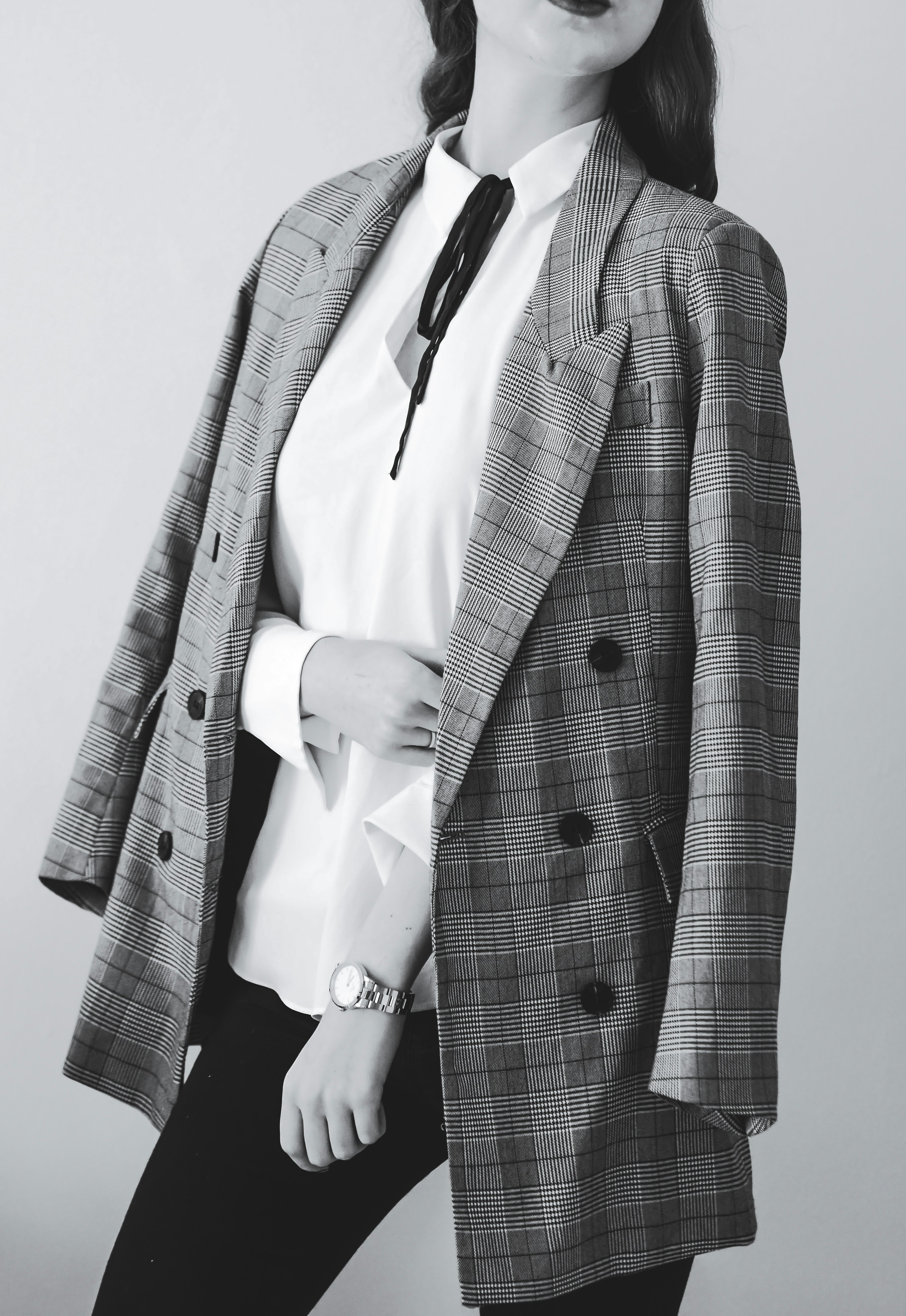
In terms of styles, tailored outfits are preferred, with structured fits for blazers and well-fitted trousers or skirts. Candidates are also gravitating towards versatile pieces that can be mixed and matched, enabling them to create multiple outfits while adhering to a budget. The emergence of smart-casual attire as an acceptable option for interviews signals a shift toward comfort without undermining professionalism. Ultimately, when preparing to dress for a job interview, candidates should prioritize a polished look that aligns with both their personal style and the values of the organization they hope to join.
Accessories and Grooming
When preparing to dress for a job interview, it is important to consider the impact of accessories and grooming on overall presentation. A polished look not only showcases personal style but also reflects professionalism and attention to detail. Studies indicate that up to 55% of first impressions are based on appearance, which underscores the importance of grooming and choice of accessories when preparing for an interview.
Choosing the right accessories can enhance the overall outfit while maintaining a professional demeanor. For men, a classic watch or simple cufflinks can project confidence without being overly flashy. Women may opt for understated jewelry that complements their clothing choices without drawing excessive attention. It is advisable to avoid overly large or distracting accessories, as the goal is to reinforce professionalism rather than distract from the interview itself.
Grooming is equally vital in the quest to dress for a job interview. Ensure that hair is neatly styled according to the norms of the industry. Well-kept hair can dramatically enhance one’s appearance, while a messy or unkempt hairstyle may convey carelessness. Furthermore, personal hygiene should never be overlooked; clean nails, minimal but elegant fragrances, and well-groomed facial hair—all contribute to an overall polished look.
According to surveys, candidates who maintain high grooming standards are perceived as more competent and reliable. In fact, 67% of hiring managers noted that personal grooming influenced their decision during the initial interview phase. By taking the time to select appropriate accessories and ensuring a tidy appearance, individuals can significantly boost their confidence and the impression they leave on their potential employers.
Industry-Specific Dress Code Guidelines
When preparing for an interview, it is essential to consider the industry norms regarding professional attire. Each sector has its own expectations and standards for how candidates should present themselves. Understanding these guidelines can significantly enhance your chances of making a favorable impression, so it is crucial to dress for a job interview with a focus on aligning with these standards.
In the technology sector, attire tends to be more relaxed, reflective of the industry’s innovative and casual culture. Candidates might opt for smart-casual clothing, such as tailored jeans paired with a blazer or a neat polo shirt. Startups, in particular, appreciate individuality, so feel free to infuse some personality into your outfit, bearing in mind the company’s specific culture.
In contrast, the finance industry maintains a more formal dress code. For interviews in this sector, candidates should dress in business professional attire, such as a tailored suit for both men and women, complemented by polished shoes and appropriate accessories. It’s important to project confidence and professionalism in your attire, as these qualities are highly valued in roles related to finance.
Creative roles, including positions in marketing or design, allow for more flexibility in attire. While still advisable to dress professionally, candidates can express their creativity through unique or fashionable ensembles that reflect their personal style. Opt for pieces that are polished yet artistic, such as a chic dress or a stylishly paired jacket and slacks, while maintaining an overall professional appearance.
Healthcare positions often require candidates to present themselves in a polished yet practical manner. While scrubs may be the standard work attire, for interviews, it is advisable to dress in business casual clothing that communicates respect for the institution and the role. For example, a pair of slacks and a button-up shirt can convey professionalism while remaining comfortable.
Ultimately, regardless of the industry, it is essential to research the company culture and dress accordingly. By tailoring your outfit to match industry expectations, you will demonstrate your understanding of professional norms and improve your chances of success in the interview process.
Impact of Technology on Interview Attire
In the evolving landscape of job interviews, technology plays a pivotal role in shaping how candidates present themselves. The surge in remote hiring processes, particularly through virtual interviews, has prompted a reassessment of traditional attire norms. Candidates must now adapt their wardrobe choices based not only on the industry standards but also on the medium through which the interview is conducted.
For in-person interviews, the expectation remains for candidates to dress in professional attire, reflecting the company culture and demonstrating respect for the opportunity. Common choices include suits, dress shirts, and polished footwear. However, as many organizations embrace flexible work arrangements, virtual interviews have gained traction, leading to a shift in dressing conventions. While candidates still need to present themselves appropriately, the attire for virtual interviews often leans towards a balance of professionalism and comfort.
During virtual interview sessions, candidates may opt for more relaxed clothing on the lower half, particularly if they believe their camera will not capture these elements. However, it is crucial to maintain a professional appearance at least from the waist up. Dressing for a job interview in a virtual setting might involve wearing a smart blouse or a blazer, paired with less formal trousers or skirts. This approach allows candidates to remain comfortable while still meeting the expected professional standards.
Different sectors may also exhibit distinct variations in appropriate attire. For instance, tech startups tend to favor a more casual approach compared to conservative industries such as finance or law. Regardless of the format—be it in-person or online—the emphasis on a presentable appearance persists. Therefore, individuals must remain cognizant of how to effectively dress for interview scenarios that reflect their potential role and align with corporate culture.
Common Mistakes to Avoid
When preparing to dress for a job interview, candidates often overlook the significance of their attire and the impact it has on the interview’s outcome. Here are some common pitfalls to avoid in order to make a positive impression.
One crucial mistake is opting for attire that is overly casual. Wearing jeans, sneakers, or t-shirts can convey a lack of seriousness or professionalism. Even if the company has a relaxed dress code, it is prudent to err on the side of formality when dressing for an interview. This demonstrates respect for the interview process and the organization.
Another frequent error is choosing distracting outfits. Bright colors, oversized accessories, or provocative clothing can divert attention from your qualifications and the interview itself. Selecting clothing that aligns with the company’s culture while still being modest and mindful of personal expression is essential. Additionally, every individual carries a distinct style, but ensuring it aligns with professional standards is key for interview success.
Not researching and matching the company culture is also a common misstep. Each organization has its own specific dress code that reflects its values and industry. Candidates should investigate the company’s culture through its website or social media platforms, or by reaching out to current employees. Dressing inappropriately for the company’s culture could give off the wrong impression, potentially limiting the chances of making a favorable connection.
Lastly, neglecting personal grooming can hinder the overall outfit. A well-chosen outfit can be overshadowed by unkempt hair or inadequate hygiene. Therefore, it is crucial to present a polished appearance that complements the decision of what to wear.
Final Tips and Conclusion
When preparing to dress for a job interview, it is essential to balance professionalism with personal style. The attire you choose plays a significant role in making a positive first impression. To start, always aim to understand the company culture before deciding what to wear. Each industry has its own norms regarding formal attire, so researching the organization can provide valuable insight into what constitutes appropriate clothing.
Next, consider the fit and comfort of your outfit. When you dress for an interview, ensure that your clothes are well-fitted and allow for ease of movement. This is important because feeling comfortable in your attire can significantly boost your confidence during the interview. Beyond comfort, select fabrics that evoke a polished look while allowing you to express your individuality. Whether opting for classic business wear or modern casual attire, showcasing a hint of your personality through minor adjustments can distinguish you from other candidates.
Additionally, it’s crucial to pay attention to grooming and presentation. Clean hair, neatly manicured nails, and polished shoes complement your outfit and reflect your professionalism. Accessories should be kept minimal, ensuring they do not distract from your overall presentation. Moreover, it’s important to ensure that your clothing is appropriate for the specific context of the interview while still allowing you to express who you are.
Ultimately, when you dress for a job interview, remember that the goal is to present an image that aligns with the company’s expectations while feeling authentic and confident. Balancing these aspects will enhance your chances of making a lasting impression. By following these guidelines, you will be well-prepared not just to dress for the interview but also to convey a sense of self-assuredness that employers value.
Leave a Reply