
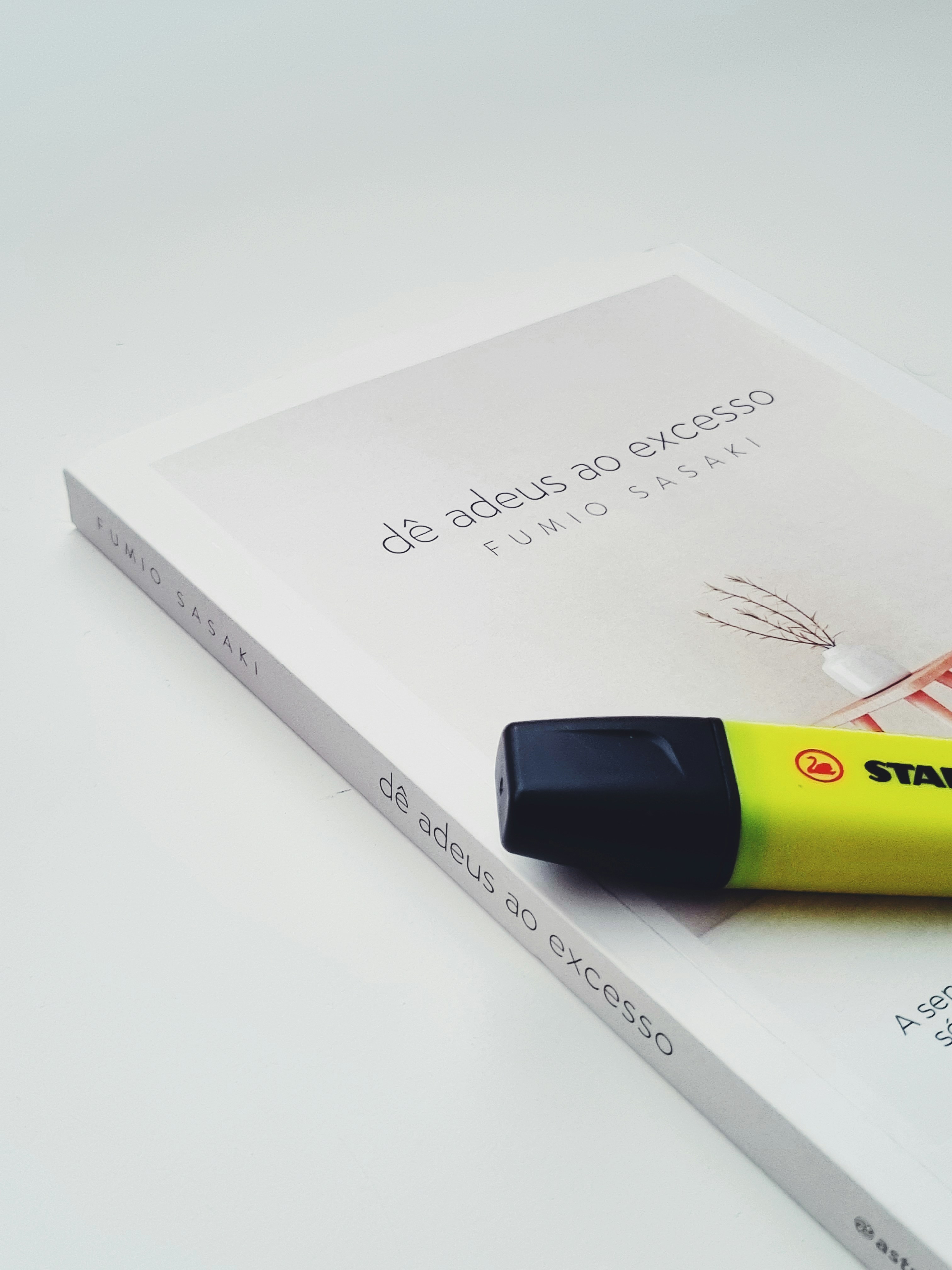
Understanding Minimalism
Minimalism is more than a trend; it is a philosophy and lifestyle choice that emphasizes simplicity and intentionality. At its core, minimalism advocates for the reduction of material possessions to focus on what truly matters in life, enabling greater clarity and mental well-being. It is important to note that minimalism does not imply deprivation or a lack of enjoyment; rather, it promotes the idea of making conscious choices about one’s belongings and experiences.
The fundamental principles of minimalism are rooted in the belief that less is often more. By removing excess clutter from our physical spaces and mental frameworks, we can foster an environment that supports mindfulness and tranquility. Research has shown that a cluttered environment can contribute to feelings of stress and anxiety, making it crucial to explore how to declutter effectively. Adopting a minimalist approach can lead to significant benefits, including reduced stress levels, improved focus, and a greater sense of freedom.
Statistics indicate a growing interest in minimalism, particularly among younger generations. According to a survey conducted by the National Center for Health Statistics, 45% of millennials are embracing a minimalist lifestyle, seeking to prioritize experiences over material possessions. This societal shift is also supported by studies linking minimalism to positive mental health outcomes. For instance, a 2022 study published in the Journal of Psychology revealed that individuals who reported a minimalist lifestyle indicated higher levels of life satisfaction and lower rates of depression.
Expert insights further emphasize the importance of minimalism in today’s fast-paced world. Joshua Becker, author of “The More of Less,” asserts that minimalism allows individuals to regain control over their lives, fostering a sense of purpose and freedom. By understanding the essence of minimalism, one can begin the journey of how to declutter and create a more meaningful existence.
The Psychological Impact of Clutter
Living in cluttered environments can have significant psychological repercussions. Research has continuously shown that the presence of excessive items in our surroundings can lead to increased levels of anxiety and stress. When our living spaces are filled with clutter, it can create a sense of chaos that overwhelms the mind, making it difficult to focus, relax, or find peace.
Dr. Edward Hallowell, a psychiatrist and author, notes that environments that are cluttered can be distracting; they compete for our attention and can hinder our ability to concentrate. This constant battle for cognitive resources can drain our mental energy and leads to feelings of being overwhelmed. Additionally, studies have found that clutter can exacerbate feelings of helplessness and anxiety, as individuals may perceive their disorganized spaces as too daunting to tackle.
Psychologists frequently emphasize the emotional burden that comes with clutter. When possessions accumulate, they often become associated with feelings of guilt, shame, or helplessness. As we hold onto items—whether for sentimental reasons or fear of letting go—these emotions can compound, creating a debilitating cycle. The act of decluttering is not merely about creating an orderly space but is also an essential process for mental clarity. By removing unnecessary items, individuals often report feeling a sense of relief and a newfound clarity.
This suggests that understanding how to declutter effectively can prove beneficial to mental well-being. It encourages individuals to take stock of their environments and reflect on how their surroundings influence their emotions. Establishing a routine that incorporates mindful decluttering can facilitate emotional health and create a more serene living space.
Practical Steps to Declutter
Embarking on a decluttering journey can often seem daunting, particularly when the amount of belongings feels overwhelming. However, with practical strategies in place, you can effectively learn how to declutter your space without succumbing to stress. Here, we outline some actionable methods that can facilitate a smoother decluttering process.
One popular technique is the ‘One In, One Out’ rule. This principle suggests that for every new item you bring into your home, you should remove an existing one. This not only helps to maintain balance in your possessions but also encourages mindful consumption. To effectively implement this rule, consider keeping a designated donation box near your entry, where you can place items ready for removal immediately upon acquiring new belongings.
Another engaging strategy is the 30-Day Minimalism Game, which challenges you to declutter one item on the first day, two on the second day, and so forth, for the entire month. This gradual increasing approach helps manage feelings of overwhelm. To make this successful, consider setting reminders in your calendar or using apps that track your progress, making the process feel like an enjoyable challenge rather than a chore.
Regular evaluation of your belongings can also be beneficial. Schedule a decluttering session every three to six months. During these evaluations, assess each item’s usefulness and emotional value. Use questions like, “Does this enhance my life?” or “Have I used this in the past year?” to guide your decision-making process.
Lastly, consider utilizing resources such as checklists or mobile apps designed for decluttering assistance. They can provide inspiration and structure to your process, ensuring you stay on track and motivated. With these practical steps, you can gradually learn how to declutter your environment in a manner that feels both achievable and fulfilling.
Sustaining a Minimalist Lifestyle
Having successfully learned how to declutter your physical space, the journey does not end there. In fact, the essence of adopting a minimalist lifestyle lies in sustaining it. Essential to this is making mindful consumption choices that promote simplicity while helping to minimize accumulation of unnecessary items. Being conscious of your purchases not only provides a more organized living environment but also reduces environmental impact caused by habitual consumerism.
Statistics indicate that the average American home contains over 300,000 items. This extravagance contributes as well to wastefulness, where the consumerist cycle constantly reinstates clutter into our lives. To combat this, individuals should adopt a structured approach when acquiring things. Implementing strategies such as the “one-in, one-out” rule can effectively inhibit the addition of items. For example, if a new item is purchased, an old item should be removed from your space. This practice aids in developing an acute awareness of consumption patterns and effects of unnecessary purchases.
Another pivotal strategy involves regular assessments of possessions. Set time aside quarterly to evaluate items and determine what is still necessary, valuable, or loved. This commitment not only helps in keeping clutter at bay but also reinforces the core principles of minimalism: balance and intention.
Minimalists like Joshua Becker, author of “The More of Less,” advocate for simplicity, stating, “It’s not about what you let go of; it’s about what you gain by letting go.” This sentiment serves as a powerful reminder that adopting a minimalist lifestyle is a continuous journey towards intentional living.
In conclusion, sustaining a minimalist lifestyle demands ongoing commitment to mindful consumption and regular evaluation of our belongings. By doing so, we can cultivate a fulfilling life defined by simplicity and purpose, ensuring that our spaces and lives remain free from excessive clutter.
Leave a Reply